
Key Takeaways
- OCD is characterized by intrusive, unwanted thoughts (obsessions) and repetitive behaviors or mental rituals (compulsions) performed to reduce anxiety.
- Knowing how to tell if you have OCD means looking beyond surface habits — the key factor is the distress and impairment those patterns create.
- OCD ranges from mild to severe, and symptoms tend to worsen without professional treatment.
It isn’t always easy to understand what obsessive-compulsive disorder (OCD) feels like — whether you are experiencing it yourself or watching a loved one struggle. The thoughts arrive uninvited. The urges feel urgent and impossible to ignore. And the temporary relief that follows a compulsion never quite lasts long enough.
For adults in Florida trying to understand OCD, Lifeskills Behavioral Health offers specialized, compassionate care designed to help individuals identify symptoms and begin the recovery journey.
What Is OCD?
OCD is classified as an anxiety-related disorder and affects millions of adults each year. Marked by persistent, unwanted thoughts called obsessions and repetitive behaviors or mental rituals called compulsions, OCD causes a person to perform these patterns to reduce anxiety, not because they want to engage in them.
According to the National Institute of Mental Health, OCD is a recognized and treatable condition — not a personality quirk.
What OCD Actually Feels Like
The Experience of Obsessions
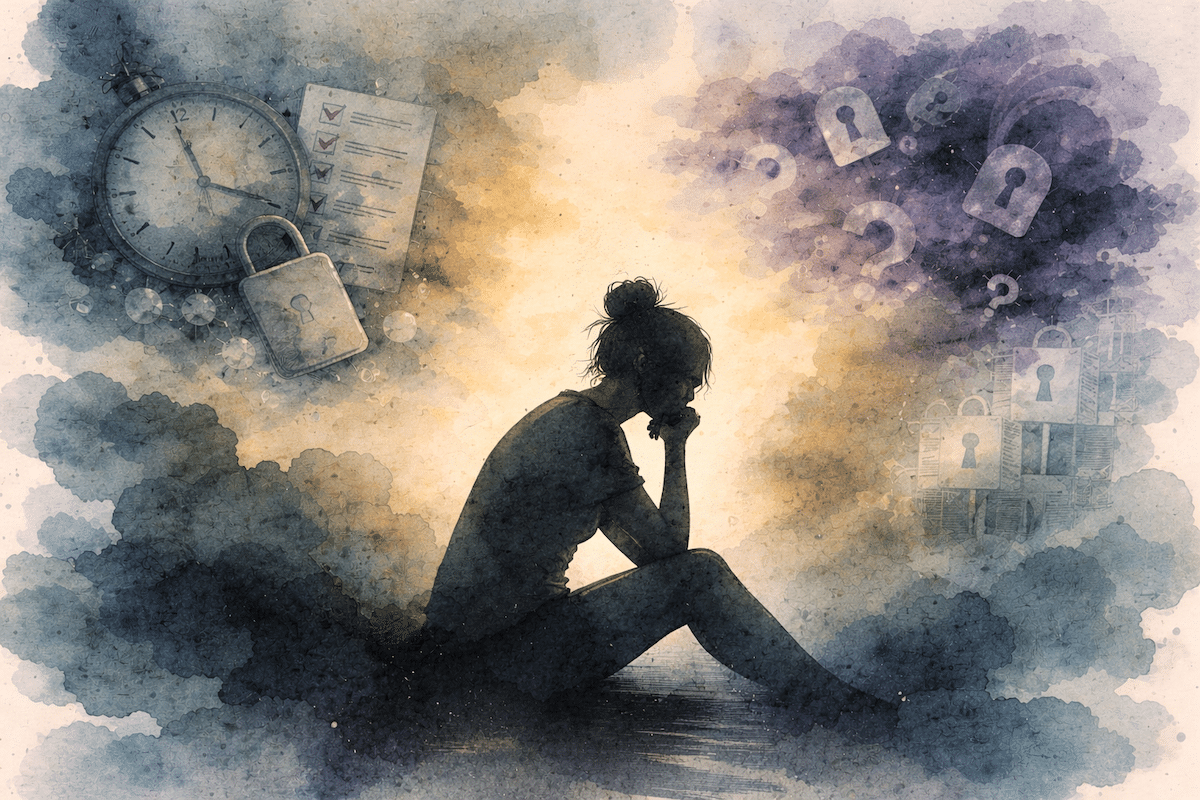
People with OCD often describe it as feeling like they are not in control of their own minds. The intrusive thoughts are not simply worries — they tend to be vivid, distressing, and difficult to dismiss. They may involve fears of harm coming to a loved one, contamination, losing control, or disturbing images that feel completely at odds with who the person believes themselves to be. The mind insists that something terrible will happen unless the person acts.
The Compulsion Cycle
Once an obsession takes hold, the mind pushes toward a compulsion — a ritual or behavior that promises temporary relief. Compulsions may include repeatedly checking locks, washing hands, counting, rearranging objects a specific number of times, or mentally reviewing events in search of reassurance.
There is often no logical connection between the obsession and the compulsion. A person may know, on some level, that checking the stove 10 times will not prevent something bad from happening — and yet the anxiety does not lift until they do. That disconnect between reason and relief is one of the hallmarks of OCD, according to the American Psychological Association.
The relief is real, but it is brief. The obsession returns, often stronger than before. Over time, the cycle tends to expand, requiring more rituals, more time, and more mental energy.
The Emotional Toll
Many people living with OCD carry a heavy burden of shame. Because intrusive thoughts can be disturbing or morally uncomfortable, individuals often fear that they reveal something true about their character. In clinical terms, these thoughts are ego-dystonic — they feel foreign and inconsistent with the person’s actual values. This is a recognized feature of the condition, not a reflection of who someone is.
Exhaustion is also common. Managing obsessions and compulsions throughout the day is mentally demanding work. Depression, social withdrawal, and isolation often follow — particularly when symptoms go unaddressed for years.
How to Tell If You Have OCD: 6 Common Signs
Mental health professionals look for several core signs when evaluating OCD. If you’re wondering how to tell if you have OCD, these symptoms are commonly present:
- Recurring intrusive thoughts that feel disturbing or impossible to dismiss
- Strong urges to perform specific behaviors to feel safe or calm
- Spending an hour or more each day engaged in compulsive rituals
- Awareness that fears may be irrational, combined with an inability to stop acting on them
- Significant interference with work, relationships, or daily routines
- Temporary relief following compulsions, followed by the return of anxiety
Mild, Moderate + Severe OCD
Clinicians categorize OCD by severity to guide treatment planning. Understanding these levels can help individuals and families recognize when symptoms warrant a higher level of care.
Mild OCD – Symptoms are present but cause only minor disruptions to daily functioning. The person is generally able to manage responsibilities with some difficulty.
Moderate OCD – Symptoms become more disruptive, interfering with work, school, or relationships. Completing tasks without engaging in compulsions becomes increasingly difficult.
Severe OCD – Obsessions cause extreme distress, and compulsions consume significant portions of the day. Functioning across multiple areas of life — work, relationships, self-care — is substantially impaired.
Left untreated, OCD tends to progress. Compulsions provide diminishing relief over time, and the cycle typically deepens. Treatment is beneficial at every level of severity — and becomes more urgent as symptoms intensify, according to the Substance Abuse and Mental Health Services Administration (SAMHSA).
What Causes OCD?
The exact cause of OCD is not fully understood, but research suggests the condition develops from a combination of factors, including:
- Brain circuitry differences affecting how the brain processes fear and uncertainty
- Genetics or family history of OCD or anxiety disorders
- Stressful or traumatic life experiences
- Differences in serotonin regulation in the brain
According to the National Institute of Mental Health, OCD is a neurobiological condition influenced by both biological and environmental factors.
Can OCD Be Overcome?
There is no permanent cure for OCD, but treatment can reduce symptoms substantially and help individuals reclaim their daily lives. Following through on compulsions provides short-term relief but reinforces the cycle in the long term. The sooner a person seeks help, the less entrenched those patterns become.
Treatment for OCD typically includes exposure and response prevention (ERP) therapy, a structured, evidence-based approach developed specifically for OCD, along with medication when clinically appropriate. Anti-anxiety medications and serotonin reuptake inhibitors can reduce the intensity of intrusive thoughts, giving individuals more capacity to apply the skills learned in therapy.
Research from the National Institutes of Health supports ERP (also called exposure and ritual prevention therapy or ExRP) as the gold-standard treatment for OCD.
Supporting a Loved One With OCD
Understanding what OCD feels like from the inside can make it easier to show up for someone you care about. A few things tend to help:
- Offer presence without pressure. Simply being available, without judgment or expectation, is meaningful.
- Avoid accommodating compulsions. Participating in or enabling rituals may feel supportive, but it reinforces the cycle and can slow recovery.
- Seek support for yourself. Supporting someone with OCD can be emotionally demanding. Counseling helps ensure you can sustain that support long-term.
- Encourage professional treatment. The most meaningful step a loved one can take is seeking help. Normalize that choice and make it easier to access.
Specialized Care at Lifeskills Behavioral Health
At Lifeskills Behavioral Health, our master’s-level clinicians specialize in treating OCD and complex co-occurring conditions, including anxiety, depression, trauma, and substance use disorders. Through evidence-based, person-centered treatment, clients learn to interrupt compulsive cycles, identify triggers, and build practical coping strategies that support long-term stability and improved quality of life.
We design our levels of care — from residential treatment to intensive outpatient programming — to meet clients where they are and support them at every stage of recovery.
“Lifeskills changed my life,” shares one grateful alum. “The techs and therapists I met there focus on each client individually, not on everyone at once as if we all share the same story.”
Take the next step. Contact Lifeskills Behavioral Health today to learn how our clinical team can help you or your loved one. With the right support, meaningful progress is possible.
References
- National Institute of Mental Health (NIMH)
- American Psychological Association (APA)
- National Institutes of Health (NIH)
- Substance Abuse and Mental Health Services Administration (SAMHSA)
This article references research and guidance from trusted behavioral health and medical organizations, including NIMH, NIH, SAMHSA, and the APA.
Frequently Asked Questions
How can I tell if I have OCD or just anxiety?
Both OCD and anxiety involve distress and worry, but OCD stands out because people perform compulsions — repetitive behaviors or mental rituals — to neutralize a feared thought. In anxiety disorders, those compulsions are typically absent. A licensed clinician can conduct a thorough evaluation to clarify which condition — or combination of conditions — best fits your experience.
Does having intrusive thoughts mean I have OCD?
Not necessarily. Intrusive thoughts are a common human experience. In OCD, what sets them apart is the intensity of the distress they cause, the difficulty dismissing them, and the compulsive responses they trigger. If intrusive thoughts are interfering with your daily functioning or emotional well-being, a professional evaluation is a reasonable next step.
Can OCD feel different from person to person?
Yes. OCD presents differently in different individuals. Some people experience primarily intrusive thoughts with few visible compulsions. Others engage in observable rituals. The themes of obsessions also vary widely — from contamination and harm to symmetry, religion, or relationships. This variability often leads people to misunderstand or misdiagnose OCD without a comprehensive clinical assessment.
Does OCD get worse without treatment?
For many people, untreated OCD symptoms persist or intensify over time — particularly during periods of stress. The compulsive cycle can expand, with new triggers and rituals developing. Evidence-based treatment, particularly ERP, has a strong track record of reducing symptom severity and improving daily functioning, according to the National Institute of Mental Health.
What does OCD treatment look like?
OCD treatment typically includes exposure and response prevention (ERP) therapy — considered the gold-standard psychotherapeutic approach — along with medication when appropriate. Clinicians tailor treatment to each individual and may deliver it across multiple levels of care depending on symptom severity. At Lifeskills, clients also receive support for any co-occurring conditions that may be present alongside OCD.